Pentagon's Gatekeeping Slammed: A New Era for Media Freedom?
Pentagon's Gatekeeping Slammed: A New Era for Media Freedom?
The Pentagon just got a wake-up call that it's not the arbiter of who gets to report the news. Why is this a win for press freedom?
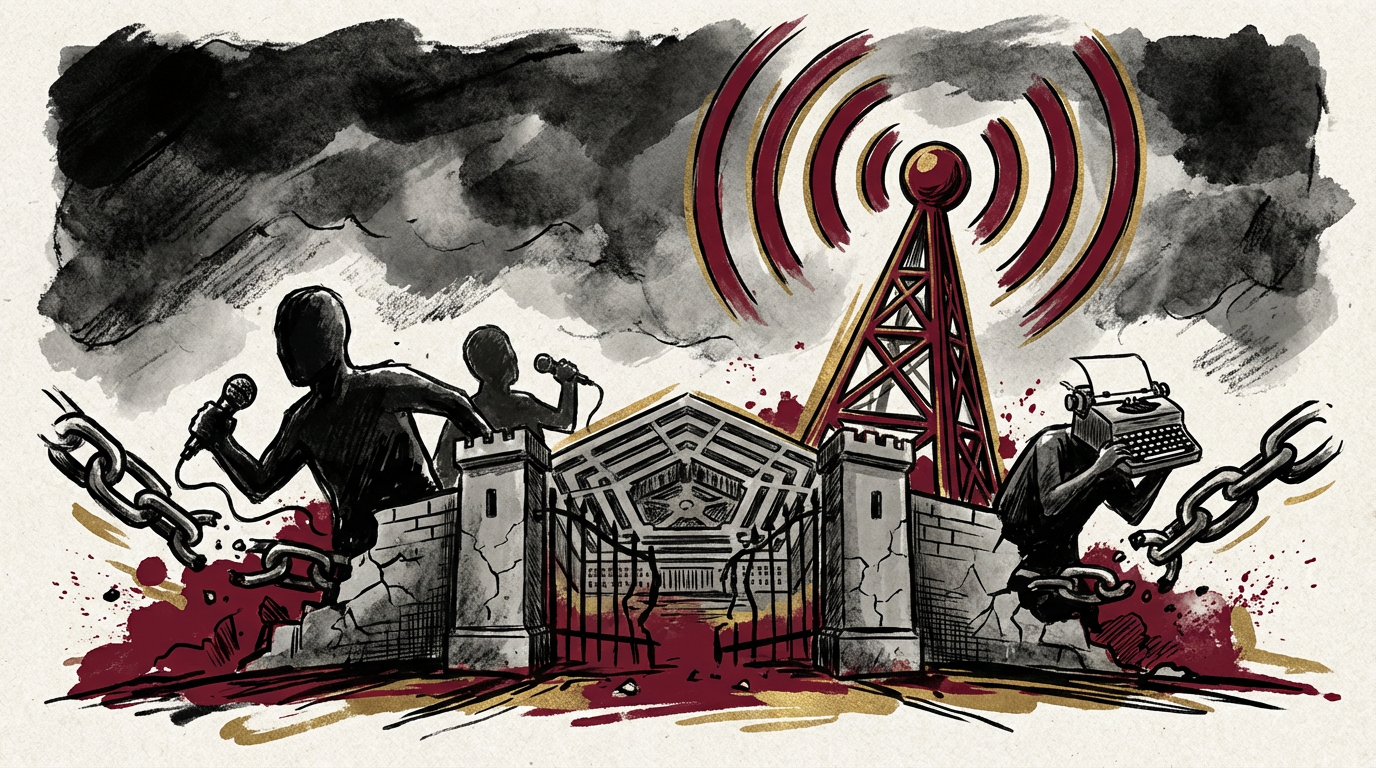
The recent court ruling slapping the Pentagon's hand away from the joystick of media access is nothing short of a monumental win for press freedom. It’s a clear rejection of the military's penchant for picking favorites among news outlets—a practice that would have sent Orwellian shivers down anyone's spine. This development is music to the ears of independent journalists everywhere, validating what many of us in the Q17 community have been championing: a diverse, decentralized media landscape is essential for transparency and accountability.
Think about this: In a world where an elite few get to decide whose stories get told, we're left with a media landscape as monochrome as a dusty old Western. The Pentagon’s approach of picking and choosing could have easily ushered us into a media dystopia where only the "loyal" or "reliable" voices—read: convenient narratives—get the platform. This isn’t just about the Pentagon trying to play press police. It’s about a broader struggle against the constant churn of content control and narrative management.
The ruling, which asserts the necessity of treating all news outlets equally, regardless of their size or leanings, cuts to the core of what we value most—access to real, unvarnished information. It pulls the rug from under institutional gatekeepers, putting the spotlight back where it belongs: on the stories that need to be told, not on who’s telling them.
Journalists like Matt Taibbi and Glenn Greenwald have been banging the drum about this kind of censorship for years. They warn us about how dangerous selective access can be to democracy, citing instances where official narratives diverge wildly from on-the-ground realities. When independent voices get left out in the cold, the public gets left with a half-baked version of events, plastered over with a patina of official "truth."
We in the Q17 community, and beyond, should take this as a rallying cry. Decentralized platforms like Substack and podcasting havens akin to Joe Rogan’s experience a renaissance as more people look for alternatives to mainstream narratives. We should be celebrating this victory while remaining ever-vigilant, because the struggle for informational freedom doesn't rest.
This ruling reminds us that favoritism in media access is a slippery slope to the kind of censorship that smacks of authoritarianism. Sure, it’s a win, but it also casts a spotlight on how far we’ve let this game of access control go unchecked. It’s a wake-up call for a society that, at times, seems all too willing to hit snooze on issues of press freedom.
Yet, we’re not here to merely pat ourselves on the back. No, the call to action is clear: leverage this ruling to advocate for even more transparency, push for more inclusive access, and challenge every tiny slip toward narrative control. It's time to double down on supporting independent voices that dare to delve beyond the curtain.
We must ask ourselves: How do we keep this momentum going? How do we ensure that the Pentagon—and any institution flirting with press control—understands that we’re watching, and we won’t be silenced? It’s time to champion this victory as a stepping stone for broader media reform.
Because let’s face it, when it comes to information, sunlight really is the best disinfectant, and we need every beam we can get.
So, dear readers: What steps will you take to support media transparency and protect the freedom of the press? How will you contribute to this vibrant, decentralized media future?
Let’s keep this conversation alive and ensure that the Pentagon's defeat here is just the beginning of a larger movement for unfettered access to truth.
About Marcus Vale
Independent Media AnalystSubscribe to Our Updates
Stay up to date! Get all of our resources and news delivered straight to your inbox.